RESEARCH PROJECTS
-

Surveillance Aesthetics: Stasi Photography & its Afterlife
This book presents the first sustained art-historical study of the photographic archive of East Germany’s Ministry for State Security (Stasi), whose surveillance operations generated over two million photographs alongside 180 kilometres of files. Moving beyond the photograph as mere evidentiary document, it examines the images as unstable visual artefacts bearing the material and affective residue of surveillance itself. The book develops the concept of "surveillance aesthetics" — a visual grammar of repetition, banality, blur, and undisclosed absence shaped by covert observation, agents’ labour, boredom, and technical accident — to account for both the images’ institutional function and their unintended, haunting qualities.
Surveillance Aesthetics examines Stasi surveillance mechanisms and photographic practices through case studies of state observation in the public and private spheres, along with unsettling images of successful and failed escapes across the Berlin Wall. It also addresses the archive’s post-1989 afterlife, tracing its physical destruction and reconstruction, and its reactivation by contemporary photographers such as Arwed Messmer, Simon Menner, Jens Klein, Harald Hauswald, and Cornelia Schleime, whose work exposes the archive’s bureaucratic gaze and offers reparative engagements with its violence and silences.
Against the grain of existing scholarship that privileges textual records and treats the archive as historically contained, this book instead foregrounds photography’s material and affective afterlives, arguing for its unsettled, ongoing relevance to memory, surveillance, and the ethics of archival encounter.
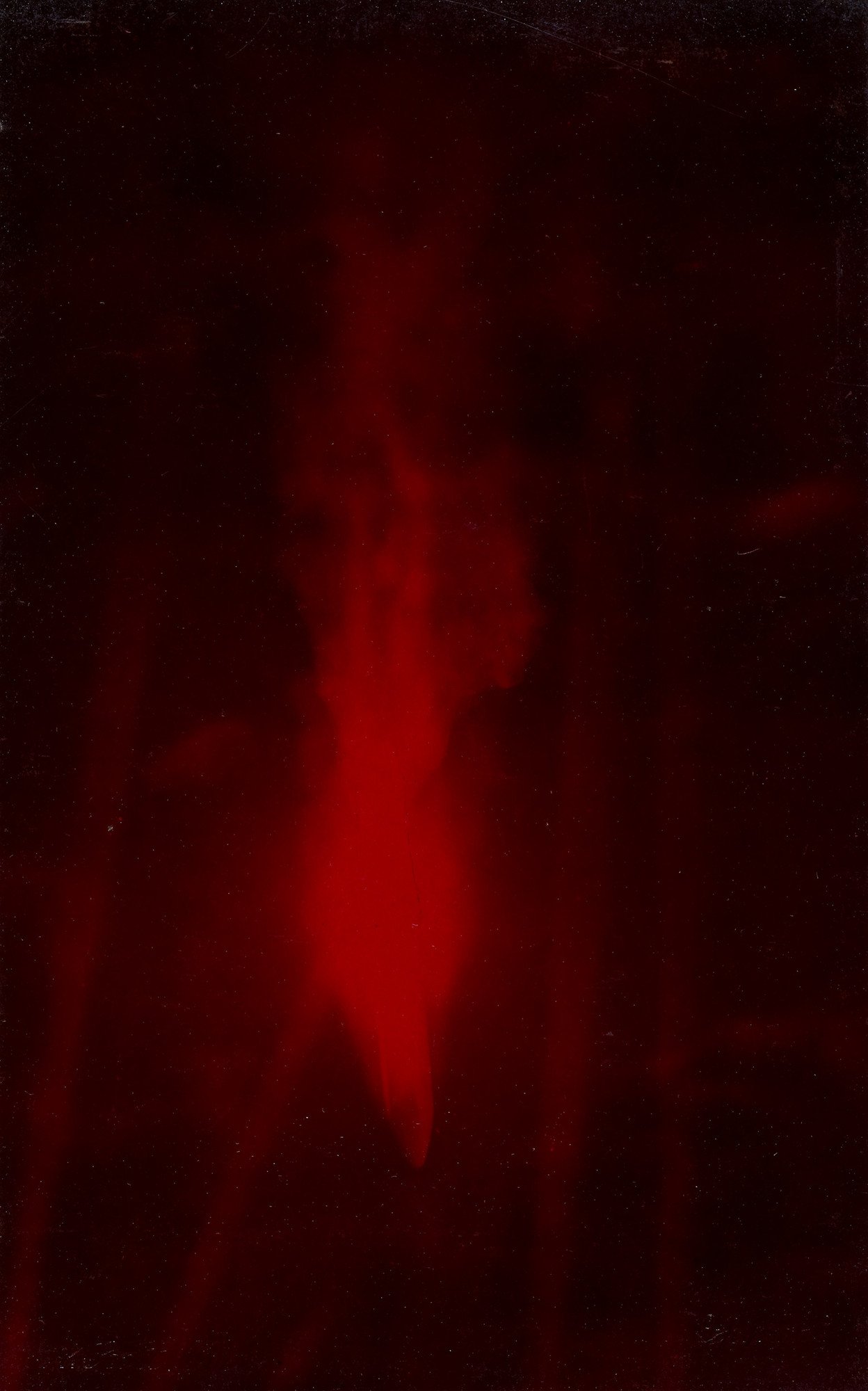
IMAGE: BStU Berlin
-
On Disaster: Photography, Media and Visual Culture
The mutual development of modernity with the photographic medium in Britain intersected with the rise of anarchy, natural and industrial disasters, major weather events, urban tragedies, and a global pandemic. The media recorded such events for the public in news articles increasingly accompanied by visual media such as drawings, engravings and later—photographs. This research project considers the ways in which the visual record was used to inform the public of such events, and the changing aesthetics of such images driven by technological advancements, media practice and public desire. Enhancing the sense of spectacle driven by media, political propaganda, and “ghoulish sightseers”, a burgeoning visual culture brought catastrophe and disaster into the homes of millions via the production of stereo views, postcards, and the illustrated news well before the arrival of television.[1]
On Disaster questions in what ways did the photographic medium make disasters? From engravings of daguerreotypes and photographs in the illustrated press, to mass-produced stereo-views, postcards and memorabilia, the disasters that drove public imagination often did so through visual representation. How do such events become seared into collective memory through the photographic image as “great disasters?” And what of those that remained largely unphotographed such as the Spanish Influenza of 1919 in Britain, which was “so quickly forgotten”?[2]
[1] As described in Michael Paris, Silvertown 1917, 28.
[2] Mark Honigsbaum, Living with Enza: The Forgotten Story of Britain and the Great Flu Pandemic of 1918 (London: Macmillan, 2009), ix.
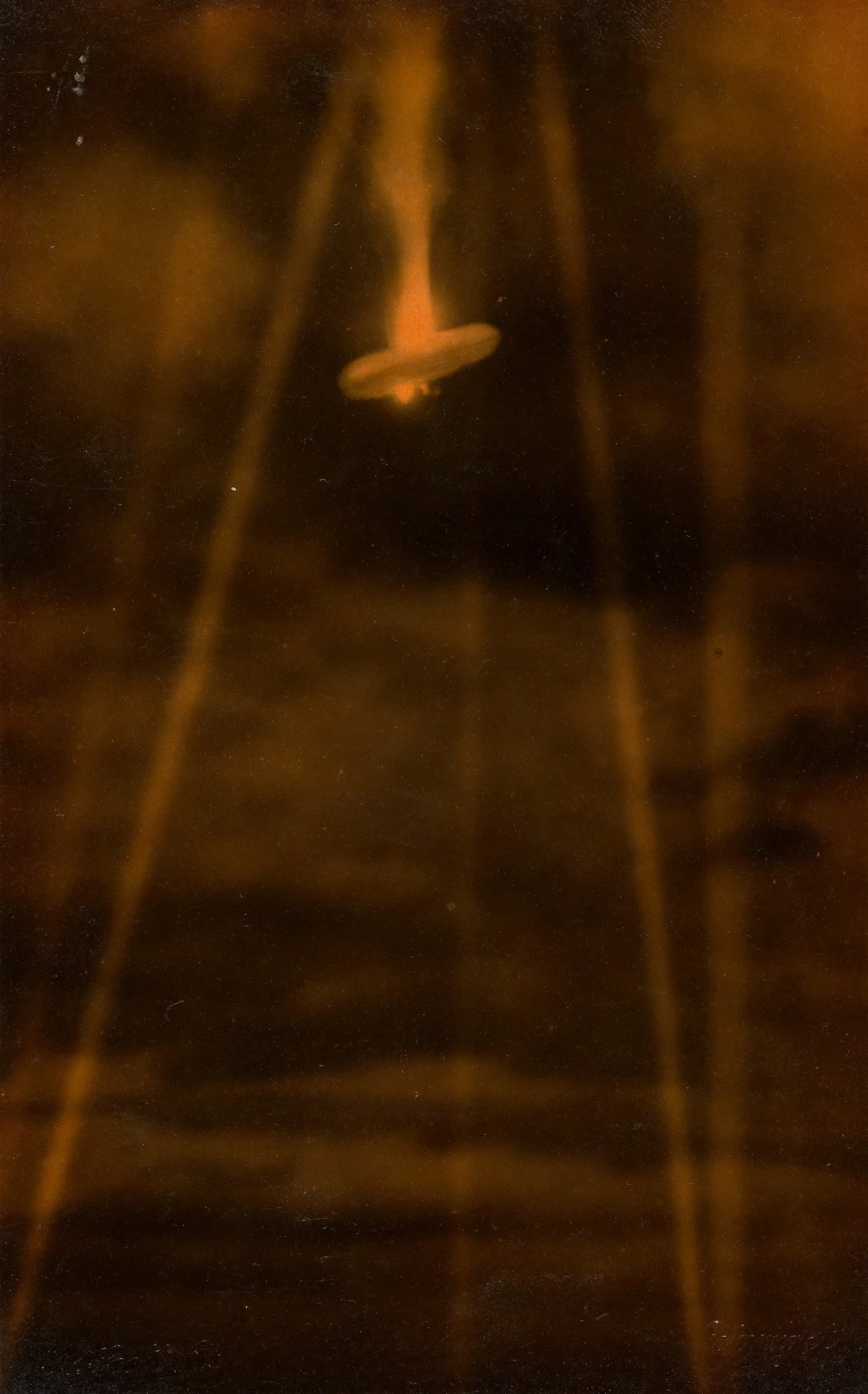
Image: H. Scott Orr (1881-1972) The destruction of airship SL-11 near London Sep 1916
-

Modernist Photobooks, Propaganda and the Everyday
Supported as a Sloan Fellow in Photography at Bodleian Libraries, University of Oxford (Trinity College) 2023-2024, this project will study part of the substantial collection of over 2000 photobooks generously donated in 2020 by Sir Charles Chadwyck-Healey. The project will study photobooks in the collection by select photographers/artists whose work engages with modernist aesthetics and modes of representation to image the everyday. This ranges from surrealist aesthetics of the extraordinary in everyday life to representations of work, machines, industry, science, nature, and advertising, indicating the plethora of photographic output and diversity of practice in the modernist period.
The second intersecting area of inquiry is to study the photobook’s capacity for reproduction and vast dissemination, utilising modernist aesthetics with political messaging or propaganda. This double-faceted research inquiry offers a unique means to study the interconnections between Modernism, photography and the public sphere. Donna will take up the Fellowship in the Hilary Term 2024.
Image: Germaine Krull, Métal (Metal). Paris: Librairie des Arts Décoratifs, 1928.